At Aspen View Mental Health, we offer compassionate care for individuals struggling with overwhelming compulsions to spend money. As a leading treatment center in Colorado, we provide comprehensive mental health treatments that address the absolute root causes of behavioral addiction. Whether you or a loved one are caught in an endless cycle of compulsive shopping, our dedicated clinical team is here to help you break free. We work collaboratively to build a personalized treatment plan focused entirely on restoring your well-being and mitigating the severe negative consequences that compulsive behaviors bring to your daily life.
Our shopping addiction treatment approach goes far beyond just addressing the immediate financial problems. We deeply understand that this is a serious mental health condition, and we strive to provide evidence-based care that actively empowers individuals to regain true impulse control. By offering a highly safe, structured environment, our dedicated treatment facility ensures that every single person receives the highest quality of healthcare perfectly tailored to their unique circumstances and recovery goals.

Before exploring specific treatment options, it is vitally important to understand what this condition truly entails. Compulsive buying disorder, sometimes referred to clinically as oniomania, is much more than simply enjoying a day at the mall or splurging on a nice gift.
It is a severe behavioral addiction where individuals experience an uncontrollable urge to shop, often attempting to temporarily cope with negative emotions, deep anxiety, or terribly low self-esteem. Over time, these erratic shopping habits become a primary coping mechanism, leading individuals to max out credit cards, hide their excessive purchases from family members, and risk total financial ruin.
Many spenders quickly find that the temporary dopamine high of a purchase rapidly fades, replaced instantly by intense negative feelings and crippling, overwhelming guilt. Despite the mounting debt and severe relationship strain, shopaholics feel completely powerless to stop their actions. The constant, daily influence of social media and highly targeted digital advertising only exacerbates these powerful urges, making it incredibly difficult to break the cycle without professional guidance from a dedicated treatment provider.
Process addictions rarely ever occur in total isolation. It is incredibly common for individuals battling a shopping compulsion to also suffer silently from co-occurring disorders. When a person actively uses shopping to self-medicate their emotional pain, they are often masking underlying mental health disorders such as severe anxiety disorders, mood disorders, or complex personality disorders. Sometimes, these deep compulsions heavily overlap with other highly destructive behavioral issues, including gambling addiction, severe eating disorders, or bipolar disorder.
Furthermore, if the financial and emotional stress becomes entirely too much to bear, individuals might desperately turn to substance abuse for relief. We frequently see clients grappling with overlapping substance use disorders, such as active drug addiction or chronic alcohol addiction, which absolutely require a comprehensive dual diagnosis approach. While some individuals may initially need a brief medical detox for their chemical dependencies, addressing the psychological root of the behavioral addiction remains vital for long-term recovery in people struggling with multiple conditions. Organizations like SAMHSA highly emphasize treating both the behavioral and chemical aspects of any addiction simultaneously to achieve sustainable health.
Identifying this destructive disorder early can prevent lasting, irreversible damage to a person’s life and closest relationships. Understanding the key warning signs is absolutely critical for seeking the right addiction treatment before the situation spirals out of control.
Common symptoms of shopping addiction include:
We know that asking for help takes courage. Getting in touch is the first step. We’re here for you, no matter what. Once submitted, our admissions team will be in touch within 24 hours.
Or call us directly to get started: 970-717-1830
Making sure that you or your loved one are assessed for optimal care.
We craft a treatment plan tailored to suite your individual needs.
Our clinicians make sure that you access the medication you need.
We make sure you or your loved one are taken care of after your stay.
We know that asking for help takes courage. Getting in touch is the first step. We’re here for you, no matter what. Once submitted, our admissions team will be in touch within 24 hours.
Or call us directly to get started: 970-717-1830
At Sierra Meadows, we provide personalized treatment designed just for you, ensuring a safe and supportive environment every step of the way.
Making sure that you or your loved one are assessed for optimal care.
We craft a treatment plan tailored to suit your individual needs.
Our clinicians make sure that you access the medication you need.
We make sure you or your loved one are taken care of after your stay.
Our clinicians utilize proven therapeutic methods to help individuals safely break free from their most destructive cycles. We carefully tailor every single treatment program to perfectly fit the unique communication style, history, and clinical background of the individual.
Our primary therapeutic interventions include:
Because every individual requires a vastly different level of care based on their unique struggles, we proudly offer a continuum of outpatient programs that easily adapt to your life. These highly flexible options allow you to seamlessly receive comprehensive support while maintaining your daily independence.
Our core structured offerings include:
This combination works by helping individuals rewire the brain’s relationship with fear. Instead of avoiding anxiety triggers, clients learn to face them with new tools and confidence—leading to long-term relief, not just temporary coping. Even if you’ve tried therapy before, the structured and targeted strategies used in modern CBT can make a meaningful difference.
At Aspen View Mental Health in Greeley, Colorado, we are deeply committed to helping you successfully break free from the exhausting, endless cycle of compulsive shopping. Taking the incredibly brave first step toward seeking professional support is a monumental investment in your overall happiness, financial stability, and long-term future. Our compassionate clinicians provide a completely safe, highly welcoming environment where you can safely explore your struggles without any fear of judgment or shame.
Whether you are currently seeking robust therapy sessions or safely transitioning from a higher level of clinical care, our dedicated admissions team is here to seamlessly guide you through the intake process. We also strongly encourage participation in outside self-help and support groups to actively build a strong community foundation. We work diligently with a variety of insurance providers to comprehensively ensure that our vital services remain as accessible as possible. Contact Aspen View Mental Health today to learn exactly how our highly personalized care can safely help you regain control, restore your peace of mind, and confidently build a much brighter, healthier tomorrow.

Dr. Tatum received his Doctorate in Clinical Psychology from Rosemead School of Psychology. He has extensive experience developing and expanding behavioral health services, including residential, detoxification, and outpatient programs. As CEO of Sierra Meadows, his focus is on expanding access to care for the Central Valley.
Compulsive buying disorder is a highly serious behavioral addiction characterized by an uncontrollable urge to continuously spend money. Individuals frequently use shopping as a temporary coping mechanism to manage severe stress, which tragically often leads to profound financial distress and heavily strained personal relationships.
CBT, or cognitive behavioral therapy, directly helps individuals actively identify the highly irrational beliefs and negative thought patterns that persistently drive their powerful urge to buy. By carefully restructuring these destructive thoughts, patients successfully develop much healthier emotional regulation and reliable impulse control.
Yes, we highly specialize in comprehensively treating co-occurring disorders through our dedicated dual diagnosis programs. We fully recognize that behavioral addictions frequently overlap directly with serious substance use disorders, and our fully integrated clinical approach ensures that both primary issues are actively addressed simultaneously.
We proudly provide highly flexible outpatient care perfectly designed to meet your current clinical needs, including robust intensive outpatient programs and standard outpatient treatment. These specific options directly allow you to safely receive high-quality, structured support while successfully maintaining your daily work and family responsibilities.
Families play an absolutely vital role in sustainable recovery, which is exactly why we proudly offer dedicated therapy sessions specifically for relatives. These highly collaborative sessions actively help rebuild broken trust, vastly improve household communication, and thoroughly educate loved ones on how to best provide healthy, non-enabling support.
While our dedicated facility primarily specializes in highly robust, comprehensive outpatient programs, we work very closely with trusted community partners to gladly provide seamless referrals if a higher, 24-hour residential or inpatient setting is temporarily necessary for your immediate stabilization and safety.

Bio coming soon.
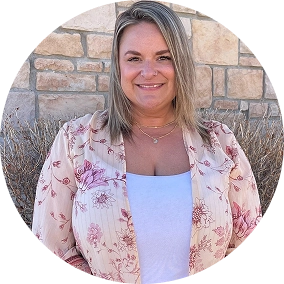
Jessica L. Varner is a Licensed Professional Counselor (LPC) and a Licensed Addictions Counselor (LAC) with over a decade of experience in the field of mental health. She received her master’s degree in clinical counseling in 2012 from the University of Northern Colorado and became a Licensed Addictions Counselor in 2018.
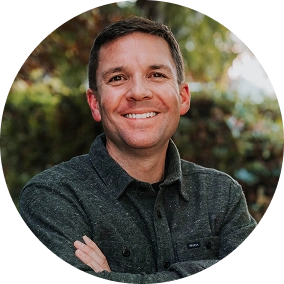
Nathan Swisher, PsyD is a licensed Clinical Psychologist and Certified Addiction Specialist in Colorado. He earned his Doctorate of Psychology in Clinical Psychology (2011) from Rosemead School of Psychology, Biola University, an APA-accredited program in California. At Rosemead, he was trained in psychological assessment and multiple psychotherapy models in a variety of clinical settings. Dr. Swisher returned to his home state of Colorado to complete his full-time internship in a community mental health setting. More recently, he has worked in community mental health and private practice in Greeley. Dr. Swisher is motivated to improve easy access to quality mental health services in Greeley and the surrounding areas.