At Aspen View Mental Health, we provide compassionate and comprehensive care for individuals struggling with the heavy burden of chronic exhaustion. As a dedicated treatment center in Greeley, Colorado, we understand that modern life can push people to their absolute limits, resulting in a profound loss of energy and motivation. We offer a supportive, outpatieny environment where clients can step away from their overwhelming daily responsibilities to focus entirely on their well-being. By utilizing evidence-based treatment, our clinical providers are committed to helping you regain your balance and rebuild a fulfilling life.
We recognize that profound exhaustion requires more than just a few days of rest; it demands structured mental health treatment tailored to your unique needs. Our facility offers a variety of specialized treatment programs designed to address the root causes of your distress. Whether you are dealing with severe workplace stress or the overwhelming demands of caregiving, Aspen View Mental Health provides the necessary tools and therapeutic interventions to guide you back to a state of wellness.
Before diving into the various treatment options available, it is important to first understand what this condition actually entails. Burnout is a state of severe emotional, physical, and mental exhaustion caused by excessive and prolonged stress. It occurs when you feel continually overwhelmed, emotionally drained, and unable to meet constant demands. As the stress continues, you begin to lose the interest and motivation that led you to take on a certain role in the first place, severely impacting your overall behavioral health.
This profound fatigue spills over into every area of life, affecting your home, work, and social interactions. In the broader healthcare landscape, it is increasingly recognized as a significant factor that can trigger or worsen other mental health conditions. If left unaddressed, the chronic stress can compromise your immune system and lead to a host of physical and mental health issues, making early intervention incredibly important for long-term health.

Not all exhaustion looks or feels the same. Depending on your environment, personality, and the specific pressures you face, the way chronic stress manifests can vary significantly. Understanding the specific nature of your struggle can help clarify the most effective path forward.
Common variations of burnout include:
We know that asking for help takes courage. Getting in touch is the first step. We’re here for you, no matter what. Once submitted, our admissions team will be in touch within 24 hours.
Or call us directly to get started: 970-717-1830
Making sure that you or your loved one are assessed for optimal care.
We craft a treatment plan tailored to suite your individual needs.
Our clinicians make sure that you access the medication you need.
We make sure you or your loved one are taken care of after your stay.
We know that asking for help takes courage. Getting in touch is the first step. We’re here for you, no matter what. Once submitted, our admissions team will be in touch within 24 hours.
Or call us directly to get started: 970-717-1830
At Sierra Meadows, we provide personalized treatment designed just for you, ensuring a safe and supportive environment every step of the way.
Making sure that you or your loved one are assessed for optimal care.
We craft a treatment plan tailored to suit your individual needs.
Our clinicians make sure that you access the medication you need.
We make sure you or your loved one are taken care of after your stay.
Profound exhaustion rarely exists in a vacuum. The chronic depletion of emotional resources often serves as a catalyst for other serious mental health disorders. Many individuals find that their prolonged stress eventually leads to the development of mood disorders, such as severe depression or generalized anxiety. In some cases, the overwhelming desire to regain control can even exacerbate symptoms of OCD.
To cope with these escalating difficult emotions, some people may unknowingly turn to harmful coping mechanisms. It is not uncommon for individuals to rely on drugs or alcohol to numb their exhaustion, leading to substance use disorders. When this happens, it creates a dual diagnosis scenario, where both the emotional depletion and the addiction must be addressed simultaneously. Effective addiction treatment and mental health care must seamlessly integrate to treat these co-occurring disorders, which is why a holistic approach is essential.
At Aspen View, we offer multiple levels of care so clients can access treatment that fits their lifestyle and clinical needs. These include:
These programs are supported by our full-service recovery center, where dual diagnosis treatment is not a separate service but an integral part of our clinical philosophy.
Healing from this level of depletion requires a multi-faceted approach. While some severe psychiatric cases in the medical field may explore alternative options like transcranial magnetic stimulation, our focus remains firmly on providing robust, evidence-based therapies. Our licensed professionals work collaboratively with you to develop customized treatment plans that dismantle negative cycles and promote lasting resilience.
We utilize several highly effective modalities to support your recovery:

Because everyone experiences exhaustion differently, we offer a flexible continuum of care that adapts to your current reality. For those who need a high level of structure but wish to avoid full inpatient or residential treatment, our Partial Hospitalization Program (PHP) offers full-day support while allowing you to sleep in your own bed. This is an excellent alternative to a traditional recovery center, providing medical oversight without total disruption of your life.
For individuals who need to maintain some of their daily responsibilities, our Intensive Outpatient Program (IOP) strikes the perfect balance. Intensive outpatient programs require attendance several days a week, offering robust guidance while you continue to work or study. As you stabilize, you can step down to standard Outpatient Treatment, which involves fewer hours of therapy per week. If a brief medical intervention is needed before beginning our programs, we can also provide a referral for a local detox facility.

A critical component of our comprehensive care involves addressing the physiological toll of prolonged stress. Our on-site psychiatry services provide thorough evaluations and targeted medication management to help stabilize your mood and improve your sleep. When your brain is severely depleted of essential neurotransmitters, medication can provide the necessary baseline stability required to fully engage in therapies like CBT or DBT.
We also understand that accessibility is a major barrier to receiving quality care. Our administrative team works diligently to break down financial barriers, collaborating with various insurance networks to ensure that the people of Colorado have access to the help they need.
Aspen View Mental Health is proud to be a trusted resource for adolescents and adults across Northern Colorado, frequently welcoming clients making the short drive from Denver, Loveland, and Windsor. We believe that no one should have to sacrifice their sanity to succeed in life. By blending clinical expertise with genuine compassion, we provide the structured support necessary to help you navigate your way out of the darkness of extreme exhaustion.
If you are tired of merely surviving and are ready to explore your treatment options, you do not have to walk this path alone. Our dedicated admissions team is available to discuss your specific situation and help you determine which level of care is most appropriate for your journey. Reach out to Aspen View Mental Health today to learn more about our IOP, PHP, and outpatient services, and take the first brave step toward a healthier, more balanced future.

Dr. Tatum received his Doctorate in Clinical Psychology from Rosemead School of Psychology. He has extensive experience developing and expanding behavioral health services, including residential, detoxification, and outpatient programs. As CEO of Sierra Meadows, his focus is on expanding access to care for the Central Valley.
Burnout is a state of severe physical, emotional, and mental exhaustion caused by prolonged and excessive stress (this definition is from outside your sources). It can leave you feeling overwhelmed, deeply detached, and unable to meet daily demands. Over time, this chronic exhaustion can trigger or worsen other mental health conditions like depression and anxiety.
Common warning signs include chronic fatigue, a cynical outlook toward your responsibilities, and a profound sense of emotional depletion (this information is from outside your sources). You might also experience changes in sleep patterns, difficulty concentrating, or an increase in substance use to manage emotional pain. If these symptoms interfere with your daily life, professional support may be necessary.
We address the emotional and psychological toll of severe stress through personalized treatment plans tailored to your unique situation. Our licensed clinicians utilize evidence-based therapies like Cognitive Behavioral Therapy (CBT) and Dialectical Behavior Therapy (DBT) to help you challenge unhelpful thoughts and build emotional regulation skills. We also offer on-site psychiatry services and medication management to support mood stabilization if you are experiencing severe depressive symptoms.
Yes, we provide flexible levels of care designed to fit your schedule so you can receive the right support at the right time. Our Intensive Outpatient Program (IOP) offers multiple therapy sessions each week while allowing you to maintain your work, school, or family responsibilities. We also offer standard outpatient treatment, which requires fewer hours per week, for those ready to step down while maintaining a connection to professional care.
Chronic emotional exhaustion rarely exists in a vacuum and can serve as a catalyst for other serious mental health issues. Left untreated, severe stress is frequently linked to the development of major depression, anxiety, or co-occurring substance use disorders. Our dual diagnosis programs address these overlapping conditions at the same time, which research shows leads to better overall outcomes

Bio coming soon.
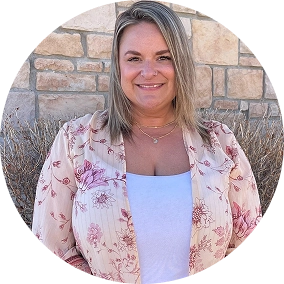
Jessica L. Varner is a Licensed Professional Counselor (LPC) and a Licensed Addictions Counselor (LAC) with over a decade of experience in the field of mental health. She received her master’s degree in clinical counseling in 2012 from the University of Northern Colorado and became a Licensed Addictions Counselor in 2018.
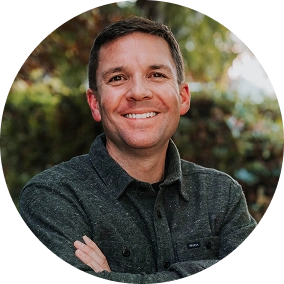
Nathan Swisher, PsyD is a licensed Clinical Psychologist and Certified Addiction Specialist in Colorado. He earned his Doctorate of Psychology in Clinical Psychology (2011) from Rosemead School of Psychology, Biola University, an APA-accredited program in California. At Rosemead, he was trained in psychological assessment and multiple psychotherapy models in a variety of clinical settings. Dr. Swisher returned to his home state of Colorado to complete his full-time internship in a community mental health setting. More recently, he has worked in community mental health and private practice in Greeley. Dr. Swisher is motivated to improve easy access to quality mental health services in Greeley and the surrounding areas.