

What Are The Symptoms Of Obsessive Compulsive Disorder (OCD)?

symptoms of ocd

It’s estimated that 1.2% of adults in the United States had OCD in the last year. Obsessive-Compulsive Disorder (OCD) is characterized by persistent, intrusive thoughts or images (obsessions) that cause anxiety, and repetitive behaviors or mental acts (compulsions) that are performed in response to these obsessions. OCD can have a profound impact on daily life, making it difficult to work, study, or enjoy social activities. 

We will explore the symptoms of OCD, including the common themes of obsessions and compulsions, the physical and emotional symptoms that can accompany the disorder, and the co-occurring conditions that often go along with OCD. We will also discuss the importance of seeking help from a mental health professional if you or someone you know is experiencing symptoms of OCD. By understanding the symptoms and seeking treatment, those affected by OCD can learn to manage their symptoms and improve their quality of life.

An Overview of Obsessive Compulsive Disorder (Ocd)

Obsessions are the intrusive, repetitive thoughts or images that are characteristic of OCD. They can take many forms, but they all share the common feature of causing anxiety and distress. For example, one common theme of obsessions is contamination. This can include a fear of germs or illness, and an excessive need for cleanliness or hygiene. People with this type of obsession may avoid certain places or objects, or spend a lot of time and effort cleaning and sanitizing their surroundings. Another common theme is a need for symmetry or order. People with this type of obsession may feel compelled to arrange objects in a particular way, or perform certain actions in a specific order.

Obsessions can have a profound impact on daily life, making it difficult to focus on other tasks or enjoy activities. They can cause significant distress and anxiety, leading to feelings of hopelessness and depression. For example, someone with a fear of contamination may avoid social situations, work, or school, in order to avoid exposure to germs. This can lead to social isolation and difficulty maintaining relationships.

It is important to note that having occasional intrusive thoughts is normal, and not everyone who experiences them has OCD. However, for people with OCD, the thoughts are persistent and interfere with daily life. If you or someone you know is experiencing obsessions that are causing distress or interfering with daily activities, it is important to seek help from a mental health professional. With the right treatment, it is possible to manage OCD symptoms and improve quality of life.

What Are the Symptoms of OCD?

  • Persistent and intrusive thoughts, images or urges that cause anxiety or distress
  • Repetitive behaviors or mental acts that are done to reduce anxiety or prevent harm, such as excessive cleaning, checking, or counting
  • Feeling that these compulsive behaviors must be performed in a specific way or order
  • Spending significant amounts of time performing compulsive behaviors or thinking about them
  • Feeling distressed or impaired in daily life due to the obsessions and compulsions
  • Avoiding situations that trigger obsessions or compulsions, which can interfere with work, school or social life
  • Feeling a sense of shame or embarrassment about the obsessions and compulsions

OCD can have a significant impact on physical health, causing a variety of symptoms that can interfere with daily life. People with OCD may spend hours each day performing compulsive behaviors or experiencing anxiety related to their obsessions, which can be mentally and physically exhausting. This can make it difficult to complete tasks or enjoy activities, leading to social isolation and difficulty functioning in daily life.

Contact Aspen View Mental Health for help with OCD!

Aspen View Mental Health is here to help if you are struggling with obsessive-compulsive disorder (OCD). Our clinic offers a variety of evidence-based treatment options to help individuals of all ages overcome OCD symptoms. Our team of professionals will work with you to develop a personalized treatment plan that addresses your specific needs and goals. We provide medication management, cognitive-behavioral therapy, exposure and response prevention therapy, and other evidence-based therapies to help you manage your symptoms and improve your quality of life. Don’t let OCD control your life – contact Aspen View today to schedule an appointment and start your journey to recovery.
Admissions Process

We know that asking for help takes courage. Getting in touch is the first step. We’re here for you, no matter what. Once submitted, our admissions team will be in touch within 24 hours.

Or call us directly to get started: 970-717-1830

First Name(Required)
Last Name(Required)
SMS Consent

Initial assessment and medication evaluation

Making sure that you or your loved one are assessed for optimal care.

Individualized treatment plan

We craft a treatment plan tailored to suite your individual needs.

Medication management

Our clinicians make sure that you access the medication you need.

Follow up psychiatry visits

We make sure you or your loved one are taken care of after your stay.

Getting Started

We know that asking for help takes courage. Getting in touch is the first step. We’re here for you, no matter what. Once submitted, our admissions team will be in touch within 24 hours.

Or call us directly to get started: 970-717-1830

First Name(Required)
Last Name(Required)
SMS Consent

How It Works

At Sierra Meadows, we provide personalized treatment designed just for you, ensuring a safe and supportive environment every step of the way.

1. Initial Assessment and Medication Evaluation

Making sure that you or your loved one are assessed for optimal care.

2. Individualized Treatment Plan

We craft a treatment plan tailored to suit your individual needs.

3. Medication Management

Our clinicians make sure that you access the medication you need.

4. Follow up Psychiatry Visits

We make sure you or your loved one are taken care of after your stay.

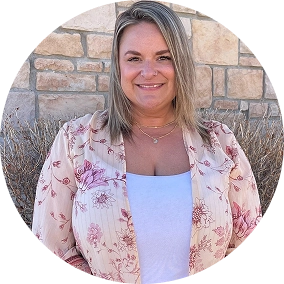
Alyssa Green
Business Development Representative

Bio coming soon. 

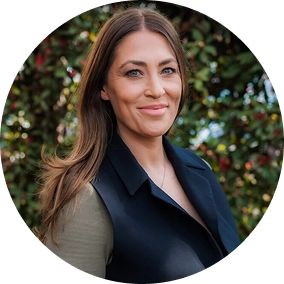
Megan Oliveira
Director of Business Development

Megan comes to Aspen View with over a decade of experience working in strategic development and social impact in the non-profit, NGO, and foreign aid sector. She was a film producer at MSNBC and produced documentary and docu-series projects during her time there. Megan has a passion for helping underserved communities access the mental health and recovery resources they need.  She is a graduate of the University of San Diego with a bachelor’s degree in Rhetoric and a minor in Business Administration, she also lettered in Division 1 Soccer while at USD. She was born and raised in Central California and is returning to the area after working in the Bay Area and Los Angeles for the last 20 years. She values spending time with her family and weekend trips to Shaver Lake.

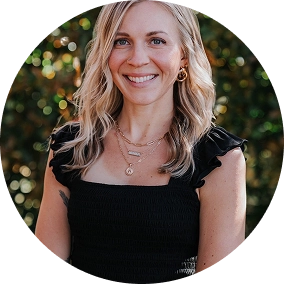
Jessica Varner, LPC, LAC - Lead Therapist at Aspen View Mental Health
Jessica Varner, LPC, LAC
Therapist

Jessica L. Varner is a Licensed Professional Counselor (LPC) and a Licensed Addictions Counselor (LAC) with over a decade of experience in the field of mental health. She received her master’s degree in clinical counseling in 2012 from the University of Northern Colorado and became a Licensed Addictions Counselor in 2018.

Dr. Nathan Swisher - Clinical Director at Aspen View Mental Health
Dr. Nathan Swisher
Clinical Director

Nathan Swisher, PsyD is a licensed Clinical Psychologist and Certified Addiction Specialist in Colorado. He earned his Doctorate of Psychology in Clinical Psychology (2011) from Rosemead School of Psychology, Biola University, an APA-accredited program in California. At Rosemead, he was trained in psychological assessment and multiple psychotherapy models in a variety of clinical settings. Dr. Swisher returned to his home state of Colorado to complete his full-time internship in a community mental health setting. More recently, he has worked in community mental health and private practice in Greeley. Dr. Swisher is motivated to improve easy access to quality mental health services in Greeley and the surrounding areas.

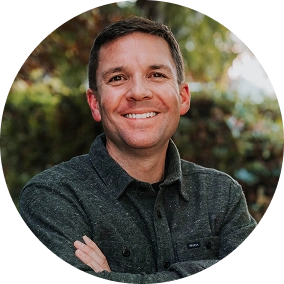
Dr Matthew Tatum, Psy.D - CEO at Aspen View Mental Health
Dr. Matthew Tatum
Chief Executive Officer
Matthew Tatum, PsyD received his Doctorate in Clinical Psychology from Rosemead School of Psychology. Early in his career, he played a key role in helping develop two integrated behavioral health departments for Federally Qualified Health Centers in Fresno County. In 2015 he assumed the Executive Director role at First Steps Recovery. There he grew a single, six bed residential drug and alcohol treatment center into a six bed detoxification facility, 16 bed residential treatment center, partial hospitalization and intensive outpatient program, and 30 bed sober living program. Expanding services such as this is a passion and life’s work for Dr. Tatum. His goal for Aspen View Mental Health is to expand services to the entire area and be able to provide care for all those in need.