Aspen View Mental Health provides evidence-based Exposure and Response Prevention (ERP) therapy in Greeley, CO, delivered through structured PHP, IOP, and outpatient programs for adults struggling with OCD, PTSD, anxiety disorders, and fear-based avoidance.
What is Exposure and Response Prevention (ERP) therapy? ERP is a specialized form of CBT that helps individuals gradually face feared thoughts, memories, or situations while resisting compulsive behaviors or avoidance, allowing the brain’s fear response to weaken over time.
ERP at Aspen View is clinically guided and highly individualized, using personalized exposure hierarchies, therapist-supported sessions, and repetition to reduce intrusive thoughts, compulsions, trauma triggers, and anxiety-related behaviors safely and effectively.
This Greeley-based ERP program is especially effective for OCD and PTSD, helping clients break cycles of reassurance-seeking, checking, avoidance, and ritual behaviors while rebuilding confidence, emotional tolerance, and daily functioning.
Clients receive care from licensed, CBT- and ERP-trained clinicians within a full clinical team, with integrated psychiatric care, medication management, and insurance-friendly access to comprehensive mental health treatment in Northern Colorado.
Exposure and Response Prevention (ERP), more commonly known as exposure therapy, is a form of cognitive behavioral therapy (CBT) designed to help individuals gradually face the thoughts, situations, or memories that cause them distress. The official name highlights both components of the treatment: “exposure” refers to intentionally confronting feared triggers, while “response prevention” involves resisting the urge to engage in compulsions, avoidance, or safety behaviors.
While the full term may sound clinical, most people simply call it exposure therapy because that’s the heart of what it helps you do—face what you’re afraid of, little by little, in a controlled and supported way. Over time, this process helps retrain your brain’s fear response, reduce distress, and build confidence in your ability to handle difficult emotions or situations.

We use ERP to treat a range of conditions rooted in fear and avoidance, including OCD, PTSD, and other anxiety-related disorders. ERP works by helping the brain rewire its relationship with fear. For individuals with OCD, exposure therapy breaks the cycle of intrusive thoughts and compulsive behaviors by encouraging clients to face triggering thoughts without performing the rituals that typically follow. In doing so, the brain learns that the anxiety doesn’t need to be “neutralized”—it fades naturally over time. For PTSD, ERP often involves safely revisiting memories, situations, or environments that have become associated with trauma, helping the brain unlearn the idea that these cues are still dangerous.
In daily life, ERP gives people the tools to stop avoiding the things that have been holding them hostage. Rather than planning your day around your triggers, therapy helps you take small, manageable steps toward facing them. With repetition and support, the brain gradually adapts—fear signals weaken, confidence grows, and life begins to open up again. It’s not about forcing yourself to be fearless—it’s about learning that you can feel fear and still move forward.
Exposure therapy is one of the most effective, evidence-based treatments for anxiety disorders, OCD, PTSD, and phobias. By helping you gradually confront what you fear in a controlled, therapeutic setting, it builds long-term emotional resilience and reduces the grip of avoidance. At Aspen View Mental Health, we’ve seen how this approach empowers people to reclaim their lives with greater clarity and confidence.
Some key benefits of exposure therapy include:
We know that asking for help takes courage. Getting in touch is the first step. We’re here for you, no matter what. Once submitted, our admissions team will be in touch within 24 hours.
Or call us directly to get started: 970-717-1830
Making sure that you or your loved one are assessed for optimal care.
We craft a treatment plan tailored to suite your individual needs.
Our clinicians make sure that you access the medication you need.
We make sure you or your loved one are taken care of after your stay.
We know that asking for help takes courage. Getting in touch is the first step. We’re here for you, no matter what. Once submitted, our admissions team will be in touch within 24 hours.
Or call us directly to get started: 970-717-1830
At Sierra Meadows, we provide personalized treatment designed just for you, ensuring a safe and supportive environment every step of the way.
Making sure that you or your loved one are assessed for optimal care.
We craft a treatment plan tailored to suit your individual needs.
Our clinicians make sure that you access the medication you need.
We make sure you or your loved one are taken care of after your stay.

ERP exercises are tailored to each person’s specific obsessions and compulsions, but they all follow the same principle: intentionally facing a feared thought or situation while resisting the urge to neutralize it. These exposures are done gradually, starting with less distressing triggers and building up over time as confidence grows.
Here are some common ERP exercises for different types of OCD:
Each exercise is done in a supportive, step-by-step way so your brain can learn: the fear doesn’t have to control you.
No. ERP is designed to be gradual and supportive. You’ll start with less distressing exposures and build up at a pace that feels safe and manageable. Facing your worst fear is never the first step—it’s something you might work toward over time, with full support from your therapist.
Yes—ERP is considered the gold standard for OCD treatment. Backed by decades of research, it’s one of the most effective approaches for reducing obsessions and compulsions. While results vary, many people experience lasting improvements in how they think, feel, and function.
It’s possible, but it’s much more effective (and safer) when guided by a trained professional. A therapist can help you create a personalized plan, pace exposures appropriately, and navigate setbacks without reinforcing fear. Self-help can supplement, but shouldn’t replace clinical support for moderate to severe OCD.
Getting started is easier when you take it one step at a time. The most effective next step is connecting with a trained therapist (ideally someone who treats OCD with evidence-based approaches like ERP) who can help you create a personalized plan, start with manageable exposures, and build skills for handling anxiety without reinforcing fear.
If you’re ready to get support, contact our team today to talk through next steps, verify insurance, and find the right level of care for you.

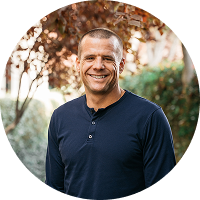
Dr. Tatum received his Doctorate in Clinical Psychology from Rosemead School of Psychology. He has extensive experience developing and expanding behavioral health services, including residential, detoxification, and outpatient programs. As CEO of Sierra Meadows, his focus is on expanding access to care for the Central Valley.
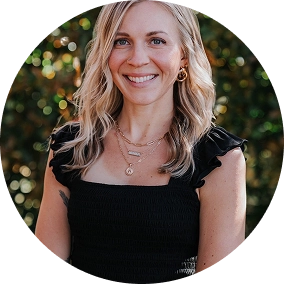
Bio coming soon.
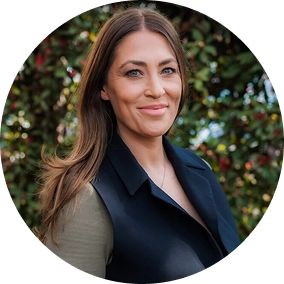
Megan comes to Aspen View with over a decade of experience working in strategic development and social impact in the non-profit, NGO, and foreign aid sector. She was a film producer at MSNBC and produced documentary and docu-series projects during her time there. Megan has a passion for helping underserved communities access the mental health and recovery resources they need. She is a graduate of the University of San Diego with a bachelor’s degree in Rhetoric and a minor in Business Administration, she also lettered in Division 1 Soccer while at USD. She was born and raised in Central California and is returning to the area after working in the Bay Area and Los Angeles for the last 20 years. She values spending time with her family and weekend trips to Shaver Lake.
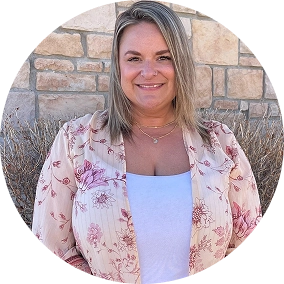
Jessica L. Varner is a Licensed Professional Counselor (LPC) and a Licensed Addictions Counselor (LAC) with over a decade of experience in the field of mental health. She received her master’s degree in clinical counseling in 2012 from the University of Northern Colorado and became a Licensed Addictions Counselor in 2018.
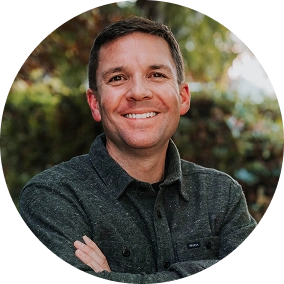
Nathan Swisher, PsyD is a licensed Clinical Psychologist and Certified Addiction Specialist in Colorado. He earned his Doctorate of Psychology in Clinical Psychology (2011) from Rosemead School of Psychology, Biola University, an APA-accredited program in California. At Rosemead, he was trained in psychological assessment and multiple psychotherapy models in a variety of clinical settings. Dr. Swisher returned to his home state of Colorado to complete his full-time internship in a community mental health setting. More recently, he has worked in community mental health and private practice in Greeley. Dr. Swisher is motivated to improve easy access to quality mental health services in Greeley and the surrounding areas.