EMDR, or Eye Movement Desensitization and Reprocessing, is a unique and powerful therapy that helps people heal from trauma. At its core, EMDR works by helping your brain process and release distressing memories—especially those that feel “stuck” or overwhelming. What makes EMDR different is that it doesn’t require you to talk in detail about your trauma. Instead, it uses bilateral stimulation, like guided eye movements or tapping, to help the brain rewire how those memories are stored.
For many people we’ve worked with at Aspen View Mental Health, EMDR has been a turning point. If you’ve been living with anxiety, PTSD, or past trauma that continues to affect your daily life, EMDR can help create a sense of relief and clarity. It’s not about erasing memories—it’s about shifting how they affect you so you can finally move forward with less emotional weight.
EMDR can be a life-changing experience if you’ve been carrying the weight of trauma, anxiety, or other difficult memories for years. It’s especially helpful for people who feel like they’ve tried everything else—talk therapy, medication, or coping strategies that just don’t seem to stick. EMDR goes deeper. It works with your brain’s natural healing process to help you reprocess painful experiences so they no longer trigger the same emotional reaction.
At Aspen View Mental Health, we’ve seen how EMDR can bring real relief. Whether you’re dealing with PTSD, anxiety, depression, or even negative self-beliefs rooted in past experiences, EMDR can help you develop new patterns of thought and emotion.
Some of the issues EMDR therapy may help with include:
Over time, the memories don’t go away, but they lose their power. You can begin to feel safe again—in your mind, your body, and your everyday life.
EMDR is a powerful therapy—but it rarely works in isolation. Most people who find lasting relief from trauma, anxiety, or PTSD do so by combining EMDR with other forms of care. That’s because healing isn’t one-size-fits-all. It takes a variety of tools—like cognitive behavioral therapy, group support, mindfulness work, and psychiatric care—to create the kind of real, lasting change that EMDR can unlock.
At Aspen View Mental Health, we create space for that bigger picture. When EMDR is integrated into a treatment plan—whether it’s through our PHP, IOP, or outpatient program—you’re not just getting trauma therapy; you’re getting a full network of support. Each piece works together to reinforce your progress and help you move forward with confidence. If you’ve been thinking about trying EMDR, this could be your chance to go deeper and get more out of it than you thought possible.
Choosing to do EMDR as part of a comprehensive mental health program gives you so much more than a single therapy session each week. At Aspen View Mental Health, EMDR is woven into a larger framework of care designed to support every layer of your healing. You’re not just seeing one therapist—you’re stepping into a structured environment built around your growth. Here’s what you gain when EMDR is part of a full treatment program:
You won’t just work with one therapist—you’ll have a full team behind you. Psychiatrists, licensed clinicians, and case managers collaborate to provide consistent care, monitor your progress, and ensure that every part of your treatment aligns with your goals.
Your experience is unique—your care should be too. EMDR becomes even more effective when it’s part of a larger plan tailored to your specific needs, symptoms, and recovery timeline. We don’t do cookie-cutter care here.
Different therapists bring different perspectives and strengths. In a treatment program, you’ll have access to a variety of licensed professionals, each contributing to your healing from a different angle. It’s a team effort, and you’re at the center.
You don’t have to do this alone. Our programs connect you with others who are also on their path to healing. The support, empathy, and shared experience can be a powerful source of motivation and hope.
We know that asking for help takes courage. Getting in touch is the first step. We’re here for you, no matter what. Once submitted, our admissions team will be in touch within 24 hours.
Or call us directly to get started: 970-717-1830
Making sure that you or your loved one are assessed for optimal care.
We craft a treatment plan tailored to suite your individual needs.
Our clinicians make sure that you access the medication you need.
We make sure you or your loved one are taken care of after your stay.
We know that asking for help takes courage. Getting in touch is the first step. We’re here for you, no matter what. Once submitted, our admissions team will be in touch within 24 hours.
Or call us directly to get started: 970-717-1830
At Sierra Meadows, we provide personalized treatment designed just for you, ensuring a safe and supportive environment every step of the way.
Making sure that you or your loved one are assessed for optimal care.
We craft a treatment plan tailored to suit your individual needs.
Our clinicians make sure that you access the medication you need.
We make sure you or your loved one are taken care of after your stay.
When you’re ready to reach out, we’re ready to act—quickly and with care. The moment you call Aspen View Mental Health, you’ll speak with someone who truly listens. We’ll walk you through a brief assessment right away, getting to know what you’re going through and what kind of support you need. No waiting, no endless phone tag—just real connection from the start.
Once we understand your needs, we’ll guide you through the next steps, answer every question, and help you feel comfortable with the process. One of the biggest advantages of coming to a treatment center like ours is that you won’t wait weeks to start therapy. We’re built to move fast—because when you’re ready to get help, you shouldn’t have to wait for it. We’ll get you into care quickly so you can start feeling better, sooner.
At Aspen View Mental Health in Greeley, we believe healing happens when the right support meets the right approach. Our EMDR therapy isn’t just a standalone service—it’s part of a comprehensive mental health program. By combining EMDR with other evidence-based therapies, we help adults in Colorado break free from the weight of trauma, anxiety, and depression—and move toward lasting change.
If you’re ready to feel better, we’re here to help you get started—fast. Call us today to connect with a real person, complete a same-day assessment, and begin the admissions process without the long wait you might face with individual providers. Whether you need structure, support, or a safe place to heal, our programs are designed to meet you where you are and guide you forward. Your healing starts here.

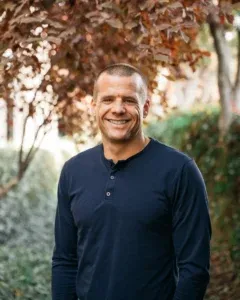
Dr. Tatum received his Doctorate in Clinical Psychology from Rosemead School of Psychology. He has extensive experience developing and expanding behavioral health services, including residential, detoxification, and outpatient programs. As CEO of Sierra Meadows, his focus is on expanding access to care for the Central Valley.

Bio coming soon.
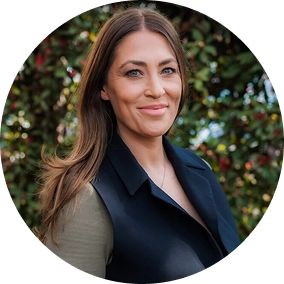
Megan comes to Aspen View with over a decade of experience working in strategic development and social impact in the non-profit, NGO, and foreign aid sector. She was a film producer at MSNBC and produced documentary and docu-series projects during her time there. Megan has a passion for helping underserved communities access the mental health and recovery resources they need. She is a graduate of the University of San Diego with a bachelor’s degree in Rhetoric and a minor in Business Administration, she also lettered in Division 1 Soccer while at USD. She was born and raised in Central California and is returning to the area after working in the Bay Area and Los Angeles for the last 20 years. She values spending time with her family and weekend trips to Shaver Lake.
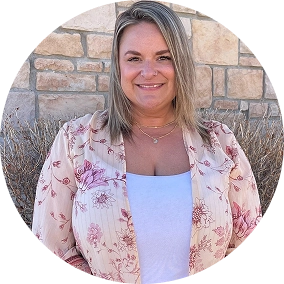
Jessica L. Varner is a Licensed Professional Counselor (LPC) and a Licensed Addictions Counselor (LAC) with over a decade of experience in the field of mental health. She received her master’s degree in clinical counseling in 2012 from the University of Northern Colorado and became a Licensed Addictions Counselor in 2018.
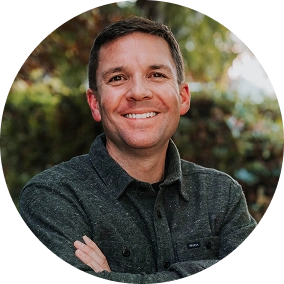
Nathan Swisher, PsyD is a licensed Clinical Psychologist and Certified Addiction Specialist in Colorado. He earned his Doctorate of Psychology in Clinical Psychology (2011) from Rosemead School of Psychology, Biola University, an APA-accredited program in California. At Rosemead, he was trained in psychological assessment and multiple psychotherapy models in a variety of clinical settings. Dr. Swisher returned to his home state of Colorado to complete his full-time internship in a community mental health setting. More recently, he has worked in community mental health and private practice in Greeley. Dr. Swisher is motivated to improve easy access to quality mental health services in Greeley and the surrounding areas.