At Aspen View Mental Health, we specialize in compassionate OCD treatment for adults in Colorado, offering personalized care that addresses the root of obsessive thoughts and compulsive behaviors. We understand how exhausting and isolating OCD can be, which is why our experienced clinical team uses evidence-based approaches to help you regain control, reduce distress, and build long-term strategies for healing—all in a supportive, nonjudgmental environment here in Greeley.
Obsessive-compulsive disorder (OCD) is a mental health condition marked by intrusive, unwanted thoughts (obsessions) and repetitive behaviors or mental acts (compulsions) performed to relieve the anxiety those thoughts create. These symptoms can become time-consuming, distressing, and disruptive to daily life. OCD is not about being neat or quirky—it’s a real, diagnosable disorder that affects how a person thinks, feels, and behaves. With proper treatment, it’s possible to reduce symptoms and regain a sense of control and peace.
Five Common Types of OCD Symptoms (and When to Seek Help):
At Aspen View Mental Health, we offer comprehensive OCD treatment that targets both obsessions—those unwanted, distressing thoughts—and compulsions—the repetitive behaviors used to relieve them. Our approach blends clinical structure with genuine compassion. We use research-backed methods like Exposure and Response Prevention (ERP), Cognitive Behavioral Therapy (CBT), and mindfulness techniques, all delivered within a supportive treatment program. Whether your OCD is rooted in fear of contamination, intrusive thoughts, or a need for symmetry, we’re here to help you break the cycle and reclaim your life.
Effective OCD treatment starts with understanding your unique experience. That’s why every client at Aspen View receives a fully individualized treatment plan tailored to their symptoms, goals, and readiness for change. We assess how obsessions and compulsions are showing up in your life and create a roadmap that incorporates therapy modalities, coping strategies, and pacing that work for you. As you move through the program, your plan is regularly reviewed and adjusted to match your growth and evolving needs—because healing isn’t linear, and your care shouldn’t be either.
When you begin treatment with us, you’re paired with a licensed primary therapist and a dedicated case manager—two professionals who walk alongside you from start to finish. Your therapist focuses on delivering effective, evidence-based care through individual and group sessions, while your case manager helps with coordination, advocacy, and real-life support needs. Together, they form the core of your treatment team, ensuring consistency, communication, and a relationship you can rely on throughout your recovery.
Group therapy is a key part of our OCD program, not just for peer support but for clinical progress. Our groups are led by licensed therapists trained to deliver ERP, CBT, and anxiety-reduction tools in a structured setting. You’ll learn to challenge obsessive fears, delay or resist compulsions, and share strategies that work—all while building confidence in a space where others truly understand what you’re going through. Over time, group sessions help normalize your experiences, reduce shame, and make treatment feel less isolating and more empowering.
In individual therapy, we go deeper into the thoughts, beliefs, and fears that drive your OCD. You’ll work closely with your therapist to examine patterns, identify triggers, and practice new ways of responding to distress. We draw from modalities like ERP, CBT, Acceptance and Commitment Therapy (ACT), and mindfulness strategies, depending on what fits your needs best. Individual sessions give you space to process sensitive material, test new coping tools, and receive direct, personalized feedback in a confidential environment.
Beyond therapy, healing also happens through connection. At Aspen View, we’ve created a treatment community where clients feel understood, supported, and never alone in their struggles. Whether it’s through shared group experiences, informal conversations between sessions, or the genuine encouragement of peers and staff, you’ll find a sense of belonging that helps reinforce recovery. OCD can be a deeply isolating condition—but here, you’ll be reminded that you don’t have to fight it on your own.
Our facility in Greeley, Colorado, was intentionally designed to support healing. Nestled in the High Plains of northern Colorado, it offers the calm of nature with the comfort of being close to home. We’ve created a space that feels safe and grounding—with warm therapy rooms, quiet spaces for reflection, and a layout that promotes privacy and flow. For local residents, accessing high-quality OCD treatment doesn’t mean driving across the state—it means walking into a center where you’re seen, supported, and set up to succeed.
At Aspen View Mental Health, our OCD treatment is delivered through a structured Intensive Outpatient Program (IOP) that runs Monday through Thursday from 9:00 a.m. to 12:00 p.m. This flexible, yet focused format allows clients to receive high-quality care while still maintaining responsibilities outside of treatment, such as work, school, or family.
From the moment you’re admitted, our goal is to create momentum. We don’t just build a plan—we build a rhythm that supports daily progress. The IOP structure offers consistency and accountability while still giving you space to practice skills in real-world settings between sessions. Each week brings opportunities for insight, emotional processing, and behavior change, all supported by a team that adapts treatment to your pace. As discharge approaches, we work closely with you to create a step-down plan that ensures you leave with confidence, connection, and clarity about your next steps.
While traditional outpatient therapy may offer occasional support, our structured IOP provides a level of consistency, intensity, and accountability that’s difficult to achieve in a once-a-week setting. At Aspen View Mental Health, clients receive treatment four days a week, allowing for deeper clinical momentum and faster progress. This format gives us the time and space to address both obsessions and compulsions through repeated exposure, skills training, and real-time therapeutic support.
What sets our program apart is the collaborative, immersive environment that surrounds each client. You’re not alone in your healing—you’re supported by an experienced team and a connected community. Our IOP experience includes:
This wraparound model promotes consistent progress and gives clients the tools to build sustainable change—long after treatment ends.
If OCD has taken too much of your time, energy, or peace of mind, it’s time for something more effective than weekly check-ins. At Aspen View Mental Health, our structured, evidence-based program gives you the tools—and support—you need to break the cycle for good. Reach out today. We’re here to help you take back control and start building a life not ruled by fear, but guided by healing.

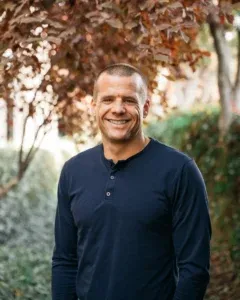
Dr. Tatum received his Doctorate in Clinical Psychology from Rosemead School of Psychology. He has extensive experience developing and expanding behavioral health services, including residential, detoxification, and outpatient programs. As CEO of Sierra Meadows, his focus is on expanding access to care for the Central Valley.
Bio coming soon.
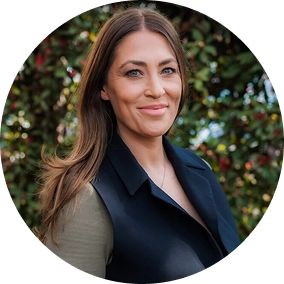
Megan comes to Aspen View with over a decade of experience working in strategic development and social impact in the non-profit, NGO, and foreign aid sector. She was a film producer at MSNBC and produced documentary and docu-series projects during her time there. Megan has a passion for helping underserved communities access the mental health and recovery resources they need. She is a graduate of the University of San Diego with a bachelor’s degree in Rhetoric and a minor in Business Administration, she also lettered in Division 1 Soccer while at USD. She was born and raised in Central California and is returning to the area after working in the Bay Area and Los Angeles for the last 20 years. She values spending time with her family and weekend trips to Shaver Lake.
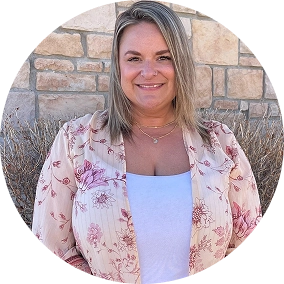
Jessica L. Varner is a Licensed Professional Counselor (LPC) and a Licensed Addictions Counselor (LAC) with over a decade of experience in the field of mental health. She received her master’s degree in clinical counseling in 2012 from the University of Northern Colorado and became a Licensed Addictions Counselor in 2018.
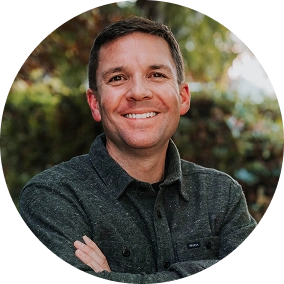
Nathan Swisher, PsyD is a licensed Clinical Psychologist and Certified Addiction Specialist in Colorado. He earned his Doctorate of Psychology in Clinical Psychology (2011) from Rosemead School of Psychology, Biola University, an APA-accredited program in California. At Rosemead, he was trained in psychological assessment and multiple psychotherapy models in a variety of clinical settings. Dr. Swisher returned to his home state of Colorado to complete his full-time internship in a community mental health setting. More recently, he has worked in community mental health and private practice in Greeley. Dr. Swisher is motivated to improve easy access to quality mental health services in Greeley and the surrounding areas.