At Aspen View Mental Health, we recognize that trauma is rarely a simple experience. For many individuals in our community, trauma is not limited to a single incident but is instead a prolonged, woven part of their history that fundamentally alters how they view themselves and the world. As a dedicated provider of behavioral health services in northern Colorado, our mission is to offer comprehensive, personalized care for those navigating the intricate challenges of Complex Post-Traumatic Stress Disorder (Complex PTSD). We strive to create a supportive environment where clients can move beyond survival mode and reclaim their sense of well-being.
Our team of licensed providers and clinical specialists is committed to guiding clients toward lasting healing through evidence-based interventions and compassionate support. We understand that Complex PTSD requires a nuanced treatment approach that goes beyond standard trauma protocols. By developing an individualized mental health treatment plan that reflects each client’s unique history, diagnosis, and goals, we help individuals address the root causes of their distress. Whether you are seeking structured support through our treatment programs or looking for specialized therapy sessions, Aspen View Mental Health is here to help you move forward with confidence.
Complex PTSD is a severe mental health condition that typically develops in response to prolonged, repeated interpersonal trauma from which there is little or no chance of escape. While standard Post-Traumatic Stress Disorder (PTSD) is often associated with a specific traumatic event—such as a car accident or natural disasters—Complex PTSD usually arises from chronic exposure to distress. This ongoing trauma often occurs during childhood or in long-term relational contexts, such as domestic violence or sustained abuse. Because the trauma is repeated, the impact on the brain and body is profound, often leading to a fractured sense of self.
The distinction between standard PTSD and Complex PTSD is vital for effective trauma treatment. While both conditions share symptoms like flashbacks and avoidance, Complex PTSD involves additional “disturbances of self-organization.” This means individuals often struggle with a deep sense of shame, guilt, and a belief that they are fundamentally damaged. The condition affects emotional regulation, leading to intense mood swings and difficulty maintaining relationships. Understanding these unique needs is the first step in creating a roadmap for sustainable recovery.
Recognizing when to seek help for Complex PTSD can be difficult, as the symptoms often overlap with other mental health conditions like depression, anxiety, or borderline personality disorder. However, the effects of trauma often manifest in pervasive ways that interfere with an individual’s ability to function at work, school, or in social settings. Symptoms are often chronic, affecting quality of life and daily functioning long after the traumatic experiences have ended.
Common signs that may indicate the presence of Complex PTSD include:

It is not uncommon for untreated Complex PTSD to co-occur with other disorders. Individuals may experience major depression, anxiety, or bipolar disorder as they attempt to self-medicate or numb their emotional pain. This is often referred to as a dual diagnosis, where addiction and mental health issues exist simultaneously. Substance abuse can serve as a maladaptive coping strategy to silence intrusive thoughts, but it ultimately exacerbates the underlying trauma.
Addressing these co-occurring disorders is a critical component of a holistic approach to healthcare. If the trauma is treated in isolation without addressing the substance use disorders, or vice versa, the risk of relapse remains high. Effective trauma treatment must integrate addiction treatment strategies to ensure that clients have the tools to manage triggers and maintain sobriety while processing their emotional wounds. This comprehensive care model helps clients rebuild a healthy relationship with themselves and their emotions.
We know that asking for help takes courage. Getting in touch is the first step. We’re here for you, no matter what. Once submitted, our admissions team will be in touch within 24 hours.
Or call us directly to get started: 970-717-1830
Making sure that you or your loved one are assessed for optimal care.
We craft a treatment plan tailored to suite your individual needs.
Our clinicians make sure that you access the medication you need.
We make sure you or your loved one are taken care of after your stay.
We know that asking for help takes courage. Getting in touch is the first step. We’re here for you, no matter what. Once submitted, our admissions team will be in touch within 24 hours.
Or call us directly to get started: 970-717-1830
At Sierra Meadows, we provide personalized treatment designed just for you, ensuring a safe and supportive environment every step of the way.
Making sure that you or your loved one are assessed for optimal care.
We craft a treatment plan tailored to suit your individual needs.
Our clinicians make sure that you access the medication you need.
We make sure you or your loved one are taken care of after your stay.
Treating Complex PTSD requires a multi-faceted approach that addresses both the traumatic memories and the emotional dysregulation that accompanies them. Therapy sessions are a vital role in this process, offering a safe space to explore the past and build skills for the present. Because the condition is complex, a combination of different evidence-based therapies is often the most effective route to recovery.
Our clinicians utilize several key modalities to support healing:
While individual therapy focuses on personal insight, connecting with others is equally important for recovery. Trauma often thrives in isolation, making individuals feel as though no one could possibly understand their pain. Breaking this isolation through shared experience is a powerful catalyst for restoring self-esteem and rebuilding trust in others.
We integrate social support through the following methods:

At Aspen View Mental Health, we do not believe in a “one-size-fits-all” approach. We offer a tiered level of care to ensure that each client receives the appropriate amount of structure and flexibility. Our tailored programs are designed to meet clients where they are, whether they require intensive stabilization or ongoing support as they reintegrate into their daily routines.
Our primary treatment structures include:
If you or a loved one is struggling with the lasting effects of trauma, you do not have to face it alone. Complex PTSD is a treatable condition, and with the right support, relief is possible. Aspen View Mental Health provides the specialized tools, resources, and professional guidance needed to move toward real and lasting recovery. We invite you to reach out to our team to discuss your specific needs and learn how our programs can support your path to wellness.
To get started, contact us to schedule an assessment or speak with an admissions specialist. We are here to answer your questions about our PTSD treatment center options, insurance verification, and what you can expect during treatment. Together, we can work toward a future defined by strength, resilience, and hope, helping you reclaim the quality of life you deserve.

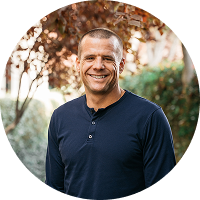
Dr. Tatum received his Doctorate in Clinical Psychology from Rosemead School of Psychology. He has extensive experience developing and expanding behavioral health services, including residential, detoxification, and outpatient programs. As CEO of Sierra Meadows, his focus is on expanding access to care for the Central Valley.
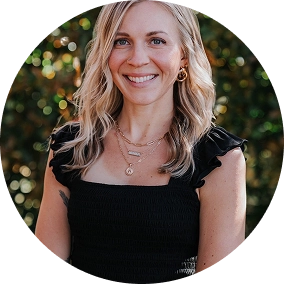
Bio coming soon.
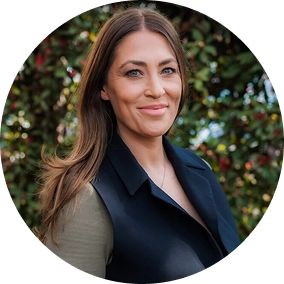
Megan comes to Aspen View with over a decade of experience working in strategic development and social impact in the non-profit, NGO, and foreign aid sector. She was a film producer at MSNBC and produced documentary and docu-series projects during her time there. Megan has a passion for helping underserved communities access the mental health and recovery resources they need. She is a graduate of the University of San Diego with a bachelor’s degree in Rhetoric and a minor in Business Administration, she also lettered in Division 1 Soccer while at USD. She was born and raised in Central California and is returning to the area after working in the Bay Area and Los Angeles for the last 20 years. She values spending time with her family and weekend trips to Shaver Lake.
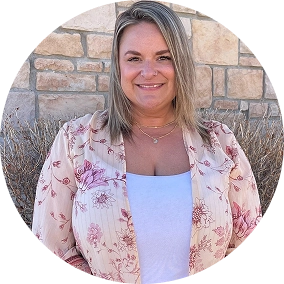
Jessica L. Varner is a Licensed Professional Counselor (LPC) and a Licensed Addictions Counselor (LAC) with over a decade of experience in the field of mental health. She received her master’s degree in clinical counseling in 2012 from the University of Northern Colorado and became a Licensed Addictions Counselor in 2018.
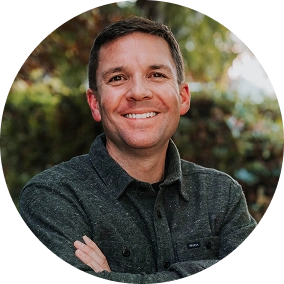
Nathan Swisher, PsyD is a licensed Clinical Psychologist and Certified Addiction Specialist in Colorado. He earned his Doctorate of Psychology in Clinical Psychology (2011) from Rosemead School of Psychology, Biola University, an APA-accredited program in California. At Rosemead, he was trained in psychological assessment and multiple psychotherapy models in a variety of clinical settings. Dr. Swisher returned to his home state of Colorado to complete his full-time internship in a community mental health setting. More recently, he has worked in community mental health and private practice in Greeley. Dr. Swisher is motivated to improve easy access to quality mental health services in Greeley and the surrounding areas.