At Aspen View Mental Health, anxiety isn’t just a diagnosis—it’s something we understand deeply and treat with intention. Whether you’re facing constant worry, panic attacks, social anxiety, or a general sense of restlessness that won’t go away, we’re here to help. Anxiety looks different for everyone, and we take the time to understand how it’s affecting you—not just on paper, but in your day-to-day life.
Our team uses evidence-based therapies tailored to adult patients, including Cognitive Behavioral Therapy (CBT), mindfulness practices, and medication management when appropriate. We meet you where you are, offering care through Partial Hospitalization (PHP), Intensive Outpatient (IOP), and traditional outpatient services. No matter how anxiety is showing up in your life, there’s a path forward—and we’re here to walk it with you.

Anxiety is a natural human emotion, but when it becomes persistent, overwhelming, or disconnected from actual threats, it may be a sign of an anxiety disorder. Rather than just feeling nervous before a big meeting or stressed about a deadline, people with anxiety disorders often experience intense fear or worry that interferes with daily life. These feelings can affect sleep, appetite, focus, relationships, and overall well-being. At Aspen View Mental Health, we help adults in Colorado understand and manage their anxiety with compassion and evidence-based care. There are multiple different diagnosable conditions that fall under the umbrella of anxiety, those include:
GAD involves excessive worry about everyday things—work, health, relationships, the future—even when there’s no clear reason to be concerned. This worry is difficult to control and is often accompanied by physical symptoms like muscle tension, restlessness, fatigue, or trouble concentrating. It can feel like your mind just won’t turn off, no matter how hard you try.
Panic disorder is marked by sudden, unexpected episodes of intense fear—known as panic attacks. These attacks often come with symptoms like chest pain, rapid heartbeat, shortness of breath, or a sense of losing control. Many people fear having another attack and begin avoiding places or situations where one might occur, which can shrink their world over time.
Social anxiety goes beyond shyness. It’s an intense fear of being judged, embarrassed, or rejected in social situations. This can make everyday interactions, like speaking in a meeting, making a phone call, or even eating in public, feel overwhelming. People with social anxiety often avoid social settings, which can lead to isolation and affect both personal and professional life.
Anxiety disorders have a lifetime prevalence of approximately 34% in the U.S., meaning over one-third of Americans will experience one at some point. These conditions are often chronic and can significantly impair a person’s quality of life and ability to function. That’s why early recognition and treatment are so important. At Aspen View Mental Health, we help adults in Colorado manage anxiety with effective, evidence-based care that’s tailored to their unique experience.
In some cases, yes. There are strategies you can use on your own that may help reduce anxiety symptoms. Many people find relief through healthy habits like regular exercise, improved sleep, mindfulness practices, or cutting back on caffeine and alcohol. Journaling, meditation, and breathing techniques can also be powerful tools for calming the nervous system and managing stress day-to-day.
However, self-help has its limits. If your anxiety is persistent, getting worse, or interfering with your work, relationships, or daily functioning, it’s often a sign that you may need more structured support. Anxiety disorders are real medical conditions, and just like any other health issue, they sometimes require professional treatment. At Aspen View Mental Health, we work with individuals who’ve tried to manage on their own but realize they need something more. You don’t have to go through this alone, and you don’t have to wait until it gets unmanageable to get help.
Many people wonder if their anxiety is “serious enough” to deserve professional help. The truth is, if anxiety is interfering with your ability to function, feel present, or enjoy your daily life, that’s reason enough to seek support. You don’t have to be having panic attacks or feeling completely overwhelmed for treatment to be beneficial. Here are some signs that anxiety may be affecting your well-being:
We know that asking for help takes courage. Getting in touch is the first step. We’re here for you, no matter what. Once submitted, our admissions team will be in touch within 24 hours.
Or call us directly to get started: 970-717-1830
Making sure that you or your loved one are assessed for optimal care.
We craft a treatment plan tailored to suite your individual needs.
Our clinicians make sure that you access the medication you need.
We make sure you or your loved one are taken care of after your stay.
We know that asking for help takes courage. Getting in touch is the first step. We’re here for you, no matter what. Once submitted, our admissions team will be in touch within 24 hours.
Or call us directly to get started: 970-717-1830
At Sierra Meadows, we provide personalized treatment designed just for you, ensuring a safe and supportive environment every step of the way.
Making sure that you or your loved one are assessed for optimal care.
We craft a treatment plan tailored to suit your individual needs.
Our clinicians make sure that you access the medication you need.
We make sure you or your loved one are taken care of after your stay.
At Aspen View Mental Health, we understand that treating anxiety requires more than a surface-level fix. Anxiety is deeply connected to how the brain processes fear, stress, and uncertainty—so successful treatment targets both the emotional and biological roots. Our approach is grounded in clinical research and personalized care, combining psychotherapy and, when appropriate, pharmacotherapy to help our clients regain control and improve quality of life.
Psychotherapy is the cornerstone of anxiety treatment. We primarily use Cognitive Behavioral Therapy (CBT), which has consistently been shown to reduce symptoms across all major anxiety disorders. However, CBT today is often more than just one technique—it’s a flexible, integrative framework that includes:
This combination works by helping individuals rewire the brain’s relationship with fear. Instead of avoiding anxiety triggers, clients learn to face them with new tools and confidence—leading to long-term relief, not just temporary coping. Even if you’ve tried therapy before, the structured and targeted strategies used in modern CBT can make a meaningful difference.
While therapy and medication are vital tools, healing from anxiety often requires more than just individual treatment—it also requires connection, routine, and purpose. At Aspen View, our treatment programs are designed to provide not just clinical care, but a supportive environment where adults can build stability and rediscover what it means to feel grounded.
When you join one of our programs, you’re entering a structured setting where each day is designed with intention. Having a consistent routine helps quiet the chaos of anxious thinking. Group sessions provide a chance to connect with others who truly get it, which can be incredibly validating. You’re no longer navigating this alone.
Beyond clinical sessions, we also encourage involvement in wellness activities and skill-building groups that support long-term recovery. From stress management to healthy communication, these components help you feel more capable and connected to your own growth. Many of our clients say that the sense of community and shared purpose they find here is just as healing as the therapy itself.
At Aspen View Mental Health, we believe that healing doesn’t happen in isolation—it happens in community, with the right support and structure. Whether your anxiety feels like a constant hum in the background or a barrier that’s keeping you stuck, you don’t have to manage it alone. Our programs are designed to help you reconnect—with yourself, with others, and with a life that feels more manageable and meaningful. Reach out today to learn how we can support your next step forward. Healing is possible—and it starts here.
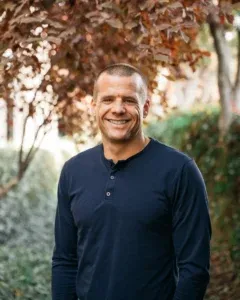
Dr. Tatum received his Doctorate in Clinical Psychology from Rosemead School of Psychology. He has extensive experience developing and expanding behavioral health services, including residential, detoxification, and outpatient programs. As CEO of Sierra Meadows, his focus is on expanding access to care for the Central Valley.
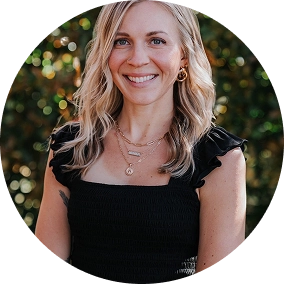
Bio coming soon.
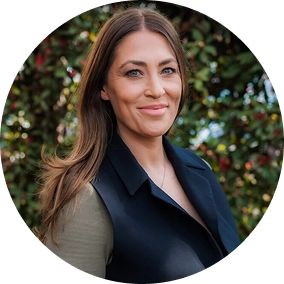
Megan comes to Aspen View with over a decade of experience working in strategic development and social impact in the non-profit, NGO, and foreign aid sector. She was a film producer at MSNBC and produced documentary and docu-series projects during her time there. Megan has a passion for helping underserved communities access the mental health and recovery resources they need. She is a graduate of the University of San Diego with a bachelor’s degree in Rhetoric and a minor in Business Administration, she also lettered in Division 1 Soccer while at USD. She was born and raised in Central California and is returning to the area after working in the Bay Area and Los Angeles for the last 20 years. She values spending time with her family and weekend trips to Shaver Lake.
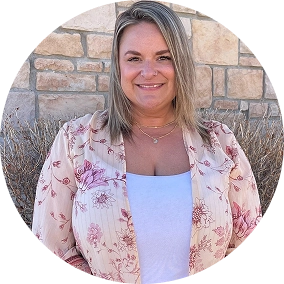
Jessica L. Varner is a Licensed Professional Counselor (LPC) and a Licensed Addictions Counselor (LAC) with over a decade of experience in the field of mental health. She received her master’s degree in clinical counseling in 2012 from the University of Northern Colorado and became a Licensed Addictions Counselor in 2018.
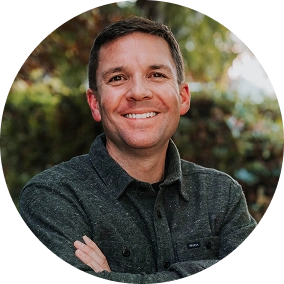
Nathan Swisher, PsyD is a licensed Clinical Psychologist and Certified Addiction Specialist in Colorado. He earned his Doctorate of Psychology in Clinical Psychology (2011) from Rosemead School of Psychology, Biola University, an APA-accredited program in California. At Rosemead, he was trained in psychological assessment and multiple psychotherapy models in a variety of clinical settings. Dr. Swisher returned to his home state of Colorado to complete his full-time internship in a community mental health setting. More recently, he has worked in community mental health and private practice in Greeley. Dr. Swisher is motivated to improve easy access to quality mental health services in Greeley and the surrounding areas.