

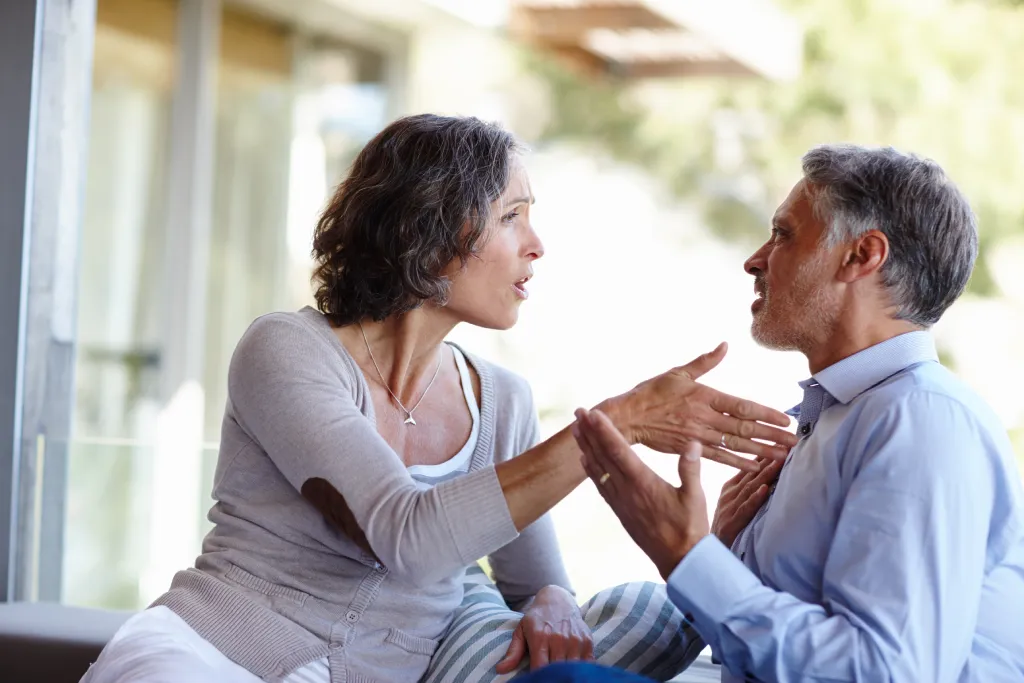
Trauma bonding occurs when an emotional attachment forms between an abused person and their abusive partner, often due to a repeating cycle of abuse mixed with moments of affection or positive reinforcement. This pattern, sometimes compared to Stockholm syndrome, creates a powerful and confusing connection that makes it difficult to leave an unhealthy relationship.
Trauma bonds can happen in romantic relationships, with a family member, or even with a caregiver. They thrive in environments where there’s a power imbalance and repeated mistreatment, leaving the survivor struggling to maintain their sense of self and questioning their own reality.
1. The Relationship Follows the Stages of Trauma Bonding
In a trauma-bonded relationship, the bond is reinforced through predictable stages. Experts often describe the stages of trauma bonding as beginning with intense affection (love bombing), followed by devaluation, emotional abuse, and intermittent kindness.
This cycle creates a powerful emotional high and low, tricking the brain into associating the abusive relationship with feelings of love, safety, and even true love, despite ongoing harm.
2. Love Bombing Followed by Devaluation
One of the most common signs of trauma bonding is the rapid shift from overwhelming affection to criticism or rejection. Love bombing may include excessive compliments, grand gestures, or constant contact designed to create dependency.
When the narcissist or abusive partner shifts into devaluation, the survivor may experience loss of self, confusion, and an urgent need to “get back” to the good times. This push-and-pull dynamic keeps the emotional bond in place.
3. Gaslighting and Distorted Reality
Gaslighting is a powerful form of emotional abuse that causes the survivor to doubt their memory, perception, and sanity. In a toxic relationship, the abusive partner may deny past events, minimize the harm done, or accuse the survivor of being overly sensitive.
Over time, this can erode self-worth and make the survivor more reliant on the abuser for validation and a sense of reality, deepening the emotional attachment.
4. Feeling Like You’re Walking on Eggshells
Living in constant fear of triggering an outburst is a hallmark of the abusive cycle. Survivors often describe feeling as though they are walking on eggshells, monitoring their words and actions to avoid conflict.
This hyper-awareness can impact mental health, leading to anxiety, depression, and difficulty functioning in other areas of life, including work and social relationships.
5. Confusing Abuse for True Love
In the midst of traumatic bonding, moments of kindness from an abusive partner can feel magnified. After periods of mistreatment, even small gestures—like a compliment or act of care—can be misinterpreted as proof of true love.
This is a result of the brain’s reward system being trained to associate relief from pain with affection, reinforcing the toxic relationship.
6. Isolation from Loved Ones
Abusers often isolate their partners from loved ones and their support system to maintain control. This may be done through criticism of friends and family, controlling schedules, or creating conflicts that discourage outside contact.
Isolation makes it more difficult for survivors to gain perspective or get help from a mental health professional or support groups.
7. Difficulty Leaving Despite the Harm
One of the most telling signs of trauma bonding is the inability to leave the abusive relationship, even when the abuse is recognized. Survivors may rationalize staying, believe they can “fix” the abuser, or fear they won’t survive without them.
The emotional connection can feel stronger than the desire for safety, and the idea of a break-up can trigger intense fear or grief.
8. Low Self-Esteem and Self-Worth
Over time, emotional abuse chips away at self-esteem and self-worth. Survivors may believe they deserve the abuse, that no one else would love them, or that the abusive partner is their only source of value.
This erosion of self makes it harder to set boundaries and imagine a healthy relationship outside the trauma-bonded relationship.
9. Excusing or Minimizing the Abuse
Survivors often defend their abusive partner to others, minimizing or excusing harmful behavior. They may focus on the “good times” and downplay the severity of the abuse, especially if confronted by concerned friends or a family member.
This tendency can be fueled by positive reinforcement during the cycle, as well as the need to believe the relationship is salvageable.
10. A Persistent Hope Things Will Change
Many survivors hold onto the hope that the relationship will return to the early stage of love bombing. They may interpret temporary improvements or apologies as proof of lasting change, even when the abusive cycle repeats.
This hope can prolong the relationship, making it harder to break trauma bonds and rebuild a healthy, independent life.
The Mental Health Impact of Trauma Bonding
A trauma-bonded relationship can have long-lasting effects on mental health. Survivors often experience symptoms similar to post-traumatic stress, including anxiety, depression, flashbacks, and emotional numbness.
Without intervention, these patterns can carry over into future romantic relationships or family dynamics, making it essential to address both the emotional and psychological damage caused by traumatic bonding.
Breaking the Trauma Bond
Healing from trauma bonding requires trauma therapy that addresses both the emotional and behavioral aspects of the bond. This may include:
- Working with a mental health professional experienced in domestic abuse recovery
- Creating a safety plan for leaving the relationship
- Joining support groups or reaching out to the National Domestic Violence Hotline
- Practicing consistent self-care to rebuild self-worth
- Learning to identify and avoid red flags in future relationships
Recovery also involves processing the underlying trauma that allowed the bond to form, which can be addressed in therapy.
Setting Boundaries and Rebuilding Self-Worth
A critical part of breaking free is learning to set boundaries without guilt and focusing on rebuilding your sense of self. This may involve self-care routines, connecting with safe and supportive people, and re-engaging in hobbies or activities that foster confidence.
Validation from a safe support system—rather than from an abusive partner—is key to restoring well-being and moving toward a healthy relationship.
Get Help at Aspen View Mental Health in Greeley, CO
At Aspen View Mental Health in Greeley, CO, we understand how deeply a trauma-bonded relationship can impact mental health. Our mental health treatment center near you addresses both the emotional wounds and the behavioral patterns that keep survivors tied to abusive relationships.
We offer individualized treatment programs with mental health professionals, therapeutic groups, and resources to help clients break trauma bonds, rebuild self-worth, and create a sustainable support system. Whether through therapy, education, or support groups, we are here to guide survivors toward safety, healing, and a renewed sense of self.